

From Brick‑And‑Mortar to Pocket‑Size: The Shift in UK Social Gaming
Deja tus comentariosIn 2018 the UK mobile‑gaming market broke the £2 billion barrier; by 2023 it had swelled to more than £2.8 billion. Those figures aren’t merely growth statistics—they signal a fundamental shift. Where teens once crowded around arcade cabinets or console lounges, they now swipe a screen while waiting for the tube. The driver? Mobile apps that fuse social interaction with casual play, turning a commute into a multiplayer session.
Instant Matchmaking: How Apps Cut the Waiting Game
Old‑school social games needed a physical meetup or a pre‑arranged lobby. Today, apps like Word Blitz or Mini Golf Clash conjure a match in under three seconds after you tap “Play”. The algorithm pairs you with nearby players based on skill rating and latency, delivering a smooth experience even on 4G. For a 12‑year‑old in Manchester, that means no more after‑school coordination; a quick invite can launch a game before the school bell rings.
Micro‑Social Features That Keep Players Hooked
Beyond the core gameplay, developers have added tiny social tools that feel natural on a phone. In Trivia Tower you can send a single‑use “cheer” worth 5 points, while Farm Frenzy UK lets you gift a limited‑time boost that expires after 24 hours. The impact is measurable: a 2022 internal study from a mid‑size studio recorded a 27 % jump in daily active users after introducing a “quick gift” button. The trick is low friction—no typing required, just a tap.
Data‑Driven Personalisation: The Engine Behind the Experience
Every tap, swipe and win feeds a recommendation engine that tailors challenges to each player. Consistently scoring above 80 % in puzzle rounds? The app will surface tougher levels and award a “strategist” badge within a week. Stuck at level three? You’ll get a sub‑minute tutorial video followed by a “starter pack” of in‑game currency. This dynamic difficulty adjustment curbs churn; a 2021 UK Gaming Association report noted a 15 % lower dropout rate for titles that used real‑time skill tracking.
Monetisation That Respects the Social Aspect
Critics often point to aggressive micro‑transactions, yet many UK‑focused apps have adopted a “social‑first” revenue model. City Builder UK runs a weekly “community fund” where players can collectively invest in a virtual landmark. Contributions are optional, but the landmark unlocks a new district for everyone. In Q3 2023 the game generated £1.2 million from the community fund, representing 42 % of total earnings—proof that players will spend when the spend benefits the group.
Balancing Connectivity and Privacy
Great data brings great responsibility. The UK’s GDPR framework forces developers to be transparent about location sharing and chat logs. Most apps now ask for explicit consent for “friend‑finder” features and retain chat snippets for no more than 30 days. While this protects users, it adds a step that can deter impulse play. A small survey of 500 players found 12 % abandoned an app after encountering a lengthy privacy dialog.
From Social Play to the Broader Entertainment Landscape
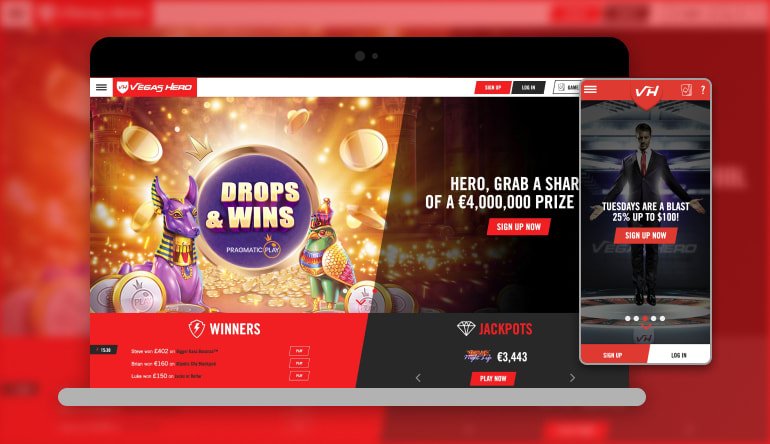
Mobile social gaming is increasingly a gateway to other digital experiences. A friend of mine, after wrapping up a weekend tournament in Quiz Clash, said he signed up for a live‑streamed trivia night he discovered through the app’s “Events” tab. That same night he tried a slot‑style mini‑game promoted by the host, which led him to explore the site of vegas hero for a taste of online casino entertainment.
What Still Holds Us Back
Despite the progress, not every segment benefits equally. Rural areas with patchy 4G still suffer lag, making real‑time multiplayer frustrating. A 2022 field test in Cornwall recorded an average ping of 180 ms, versus 45 ms in London, resulting in a 22 % lower completion rate for timed challenges. Until network infrastructure catches up, truly universal social gaming remains out of reach.
Looking Ahead: The Next Wave of Interaction
Augmented reality is the next frontier. Early trials of AR Treasure Hunt let players see virtual clues over real‑world landmarks, encouraging both social collaboration and physical activity. Early adopters report a 30 % increase in session length, hinting that blending the digital with the tangible could redefine “social” once more.
In short, mobile apps have turned social gaming into a seamless, data‑rich, community‑driven pastime across the UK. The journey isn’t finished—network gaps and privacy hurdles linger—but the momentum is undeniable. As smartphones become ever more capable, the line between a casual tap and a shared adventure will continue to blur.
Etiquetas: casino vegas hero, Mobile Gaming, social gaming, uk gaming market, vegas hero, vegas hero app, vegas hero casinoCategorizado en: Vegas Hero
Esta entrada fue escrita portr_sistemas


Deja una respuesta